Master of Cancer Sciences
Course code: MC-CNCRSC
January, April, July, October
AUD $16,496 (2026 indicative first year fee). Commonwealth Supported Places (CSPs) are not available
January, April, July, October
AUD $17,488 (2026 indicative first year fee)
IELTS 6.5: with no band less than 6.0
Career outcomes
Overview
What are the career outcomes for Master of Cancer Sciences graduates?
A master's-level qualification is integral to career progression in oncology and is frequently required for professional accreditation. Whether you aspire to provide top-quality clinical care or high-impact cancer research, the Master of Cancer Sciences will enable you to connect the latest evidence-based knowledge to practical skills, positioning you to make a strong contribution to a world-class cancer workforce.
What are the top career paths after completing a Master of Cancer Sciences?
- Advance in oncology. This course will equip you with expertise that you can combine with your current role to educate and lead others .
- Research and academia. Use your research project as a launchpad into the world of academia and work with other leading professors.
- Join an interprofessional team. Integrate with other health professionals in a multidisciplinary team, working to solve larger problems.
What can you do with a Master of Cancer Sciences?
A Master of Cancer Sciences can lead to a wide range of roles across healthcare, education, and research. Employers in this field include:
- Hospitals and healthcare centres like the Royal Melbourne Hospital.
- Oncology clinics and practices like the Peter MacCallum Cancer Centre.
- Cancer research institutes and laboratories like the Victorian Comprehensive Cancer Centre (VCCC).
- Clinical trial and pharmaceutical companies like Nucleus Network and Australian Cancer Trials.
- Public health organisations and advocacy groups such as Cancer Council Australia
- Academic and educational institutions.
How does the Master of Cancer Sciences help to make industry connections?
- Learn from the VCCC Alliance– an alliance of 12 leading research, clinical, and academic institutions.
- Connect with doctors, oncologists, and researchers in the heart of the leading Melbourne Biomedical Precinct.
- Interact with academics and other students in industry through the interactive-style course.
What career support services are available for Master of Cancer Sciences students?
Plan and achieve your goals with our career support services. Access these services to build your confidence and improve your career readiness while studying.
Support includes:
- Personalised career consultations
- Workshops on resume writing, LinkedIn optimisation, and interview skills
- Access to an exclusive job portal connecting students to industry opportunities
- Networking events with alumni and professionals
What further study options are available after this course?
The Master of Cancer Sciences provides a pathway for further research and career advancement in cancer-related fields. Upon completion, you will meet the requirements for various professional accreditations and be well-positioned to pursue doctoral studies or research opportunities in oncology.
Profile
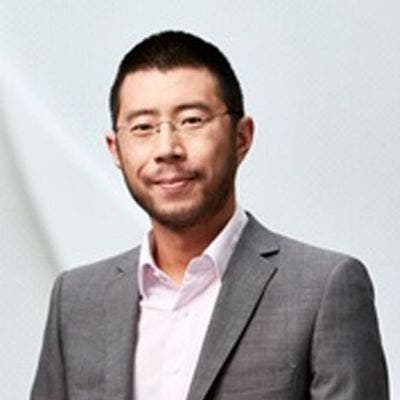
Dr David Kok
Dr David Kok, Radiation Oncologist, Peter MacCallum Cancer Centre and Master of Cancer Sciences course coordinator, talks about the program.
The Master of Cancer Sciences is Australia’s first cancer-specific, wholly online postgraduate degree. It’s aimed at cancer professionals across the spectrum, whether they be clinicians, allied health professionals, scientists, or clinical trial staff. In crafting the degree, my team and I had a very clear goal in mind— to ensure that students would walk away with the cutting-edge knowledge to excel in the field, and to do this in a way that is interesting, innovative, and flexible enough to be done while still working.
This degree is different to others in that it has been produced in partnership between the VCCC and University of Melbourne. As such, the teaching staff have all been drawn from across the 10 VCCC partners and so we’ve literally had the pick of the brightest, most passionate oncological minds in the business to teach on topics that- in many cases- they pioneered! Year-on-year these people will be here, contributing to and being at the forefront of cancer research and treatment.
We knew when designing this course that every student would have different personal and professional interests, and so have gone out of our way to cater for that. Perhaps you’re interested in the global impact of cancer– then you could take Cancer in Society. Maybe you’re looking to explore leadership opportunities in oncology, so you could take Foundations of Leadership. Or perhaps you want to stay abreast of the latest breakthroughs in cancer treatment– then Cancer Therapeutics is for you.
If you’re interested in clinical trials, two subjects that would be relevant would be ‘Cancer Research’ and ‘Drug Discovery and Development,’ which both contain detailed knowledge about the establishment and running of clinical trials.
One of the beauties of this program is that there are multiple shorter study routes you can take should you wish. Let’s say you can only commit to 6 months part-time, then you could do 2 subjects which qualifies you for a Specialist Certificate in Cancer Sciences. Similarly, if you did 4 subjects (12-months) you can exit with a Graduate Certificate. And in the future, should you wish, you could return and finish another 4 subjects to qualify for the Master’s degree.