Master of Climate Science
Course code: MC-CLIMSCI
March, July
Commonwealth Supported Places (CSPs) available
Access Melbourne is available
March, July
AUD $60,000 (2026 indicative first year fee)
IELTS 6.5: with no band less than 6.0
Student experience
Overview
Professional networks
Make the most of your degree and graduate with an established network of professional connections. You can complete an industry project that could lead to employment opportunities once you graduate. Or undertake a research project to help us understand how we can make a difference. Oue lecturers are also researchers with deep, ongoing collaborations with industry, and are well placed to help you make further connections.
Career connections
Take advantage of events that will connect you with industry and employers throughout the year. You’ll have the opportunity to network with and learn from professionals in your field, and to join the STEM Industry Mentoring Program to develop your communication skills and employability.
Volunteering
While you’re studying with us, you'll have the opportunity to volunteer, extend your learning opportunities, connect with communities, and enhance your employability. One opportunity for volunteering is through the Science Student Ambassadors program.
Study abroad
To add a global experience to your degree, consider studying overseas.
Profile
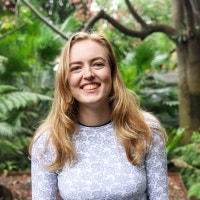
Anna Zehrung
“I wanted to combine my love for the world around us, and the maths and physics part of my brain. And I feel like climate science really marries those two.
What I like most about my uni experience are the facilities and the department I’m in. I really enjoy the friendships I’ve made, and the lectures I’ve had – especially in my masters where I’m being taught by leading researchers in the field.
You don’t necessarily need a background in atmospheric or climate science. Something that I’ve learnt in my studies so far is people come from a wide range of scientific fields: chemistry, physics, environmental science. I came from a background of maths and ecology, and I’ve been able to transfer my skills into this course.”