Disaster Management Essentials
Register your interest below for 2027: As natural disasters and terror events become more frequent, it's vital health practitioners, service managers and leaders are prepared to respond decisively.
$990.00 AUD (inc GST)
What you will learn
Gain contemporary skills and knowledge for your job now.
As both natural disasters and terror events become more frequent around the world, it's vital health practitioners, service managers and leaders are prepared to respond quickly and decisively.
This micro-credential explores the essential principles of disaster management, with a focus on prevention, preparedness, response, and recovery.
It's ideal for health professionals and those in government or management roles seeking the skills to effectively evaluate disaster management plans and more rigorously prepare for disaster events.
Explore key principles and terminology of disaster management
Gain a detailed understanding of the principles of disaster management, as well as key terminology, and different types of disasters and the hazards associated with them.
Understand disaster command and control
Explore the concepts of disaster command and control, and the structures and systems underpinning a disaster response. Understand how risk rating is applied to disaster scenarios.
Consider the impact of disasters on communities and workers
Examine the impact disasters have on vulnerable communities and consider the role of healthcare worker resilience.
Analyse a real-life disaster response scenario
Put your knowledge into practice by analysing response and recovery in a real case study. Examine materials like Coroner's reports, government inquiries, peer-reviewed literature and media reports to develop your analysis and provide recommendations to strengthen a future response.
Who you will learn from
Learn from skilled academics and professional experts who will share invaluable knowledge you can use in your job.
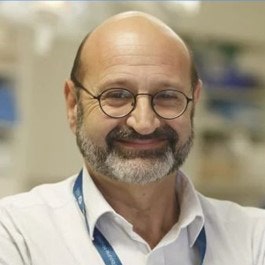
Professor George Braitberg AM
OStJ, MBBS, FACEM, FACMT, FRACMA, MBioethics, MHlthServMt, Dip Epi Biostats
George Braitberg is an emergency physician, toxicologist and medical administrator of 35 years. He is Head of the Emergency Medicine Stream for the Department of Critical Care at the University of Melbourne and Professor/Director of Emergency Medicine Research at Austin Health. His research interests include toxicology, ethical decision making and learning health systems and the management of acute emergencies. He is on several boards and national and international research committees.
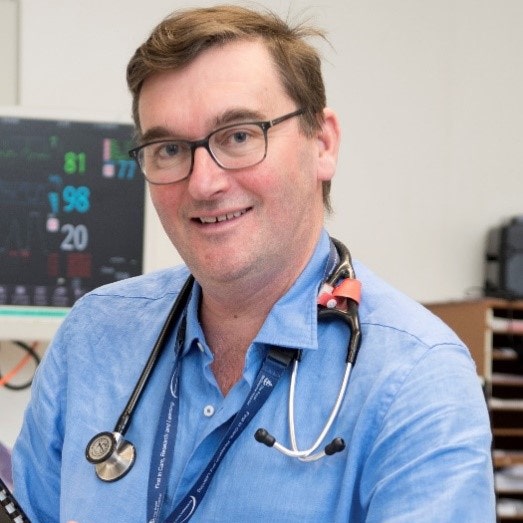
Associate Professor Jonathan Knott
FACEM, PhD, MClinEd
Jonathan Knott is Deputy Head of the Emergency Stream in the Department of Critical Care and an Academic Specialist in the Department of Medical Education at the University of Melbourne. He has a wide array of research interests with specific focus on the management of the acutely agitated patient. He is supervising students for their PhD and Masters projects at several Universities. He is involved in curriculum development both for the Disaster and Terror program and the Master of Medicine.
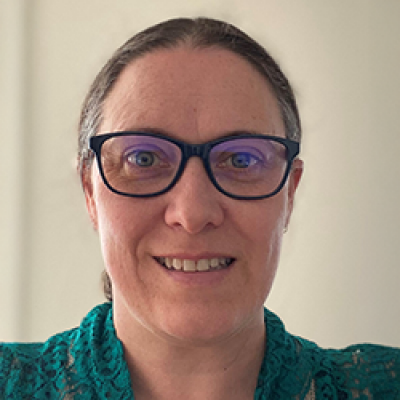
Ms Marion Orchison
Marion is a humanitarian specialist with 17 years’ experience in international aid, having worked with UNICEF, OCHA, WFP, WHO, AUSMAT, RedR, CARE, and the Danish Refugee Council in disaster preparedness, response coordination, and staff capacity building. As a Senior Lecturer in Critical Care, she coordinates disaster and terror medicine courses. She holds a Master’s in International Communication and has been deployed to sudden onset and protracted disasters worldwide.
Fees
For individuals
To take Disaster Management Essentials as a stand-alone micro-credential, you'll pay the normal course price.
$990.00 AUD (inc GST)
Please contact Student Support to discuss discounts and payment options for University of Melbourne staff or alumni, or to pay by invoice.
For teams
If you have three or more team members who are keen to upskill with Disaster Management Essentials, get in touch to discuss pricing. For large groups, we can also deliver and contextualise this course exclusively for your organisation.
Dates
Dates not right for you?
Register to receive updates
Course details
Want to know more about micro-credentials? Frequently Asked Questions
This micro-credential is designed for health professionals and those in government or management roles seeking the knowledge and confidence to evaluate organisational disaster management plans and more effectively prepare for disaster events.
This includes critical care clinicians, critical care allied health practitioners, first responders (e.g. paramedics), government agency employees, health service administrators, and managers of large organisations.
To enrol in this course, you require at least three years of relevant work experience (in health management, medicine, paramedicine, nursing, allied health, policy development or senior management), as well as the written and analytical skills appropriate for postgraduate study.
This micro-credential is led by expert practitioners in disaster management. Content has been developed in collaboration with industry experts from organisations including Ambulance Victoria and Australian Red Cross Emergency Services.
Whether you're a health professional or from another sector, the course is designed to expand your understanding of disaster management principles in a practical and industry-aligned way. Assessment tasks are designed to relate to your own professional context and you'll gain practical skills that can be immediately applied.
By the end of this course, you'll be more equipped to evaluate disaster management preparedness and organisational responses. You'll be able to:
- Recognise and apply disaster management principles of prevention, preparedness, response, recovery considering the different disaster health systems
- Analyse the principles that are applied to prevent, manage, contain and diffuse the impact of disasters and apply these to different organisational settings.
This course runs for between two and four weeks, including delivery and time for you to complete your assessment tasks.
Your total time commitment is approximately 40 hours, which includes:
- 10 hours guided study via the readings and online modules
- 23 hours self-directed learning
- 6 hours for assessment tasks
- 1 hour Q&A session
Assessment:
- Multiple choice and short-answer quiz (20%)
- Written analysis of a disaster response (80%)
This micro-credential includes guided and self-directed learning, to provide both flexibility and support.
Self-directed learning includes self-paced online modules, featuring case studies and videos with expert practitioners in disaster management. Guided learning includes a live Q&A webinar that gives you the chance to ask the experts detailed questions.
You'll also receive valuable feedback and guidance from your course facilitators throughout the course, and learn alongside an engaged and dedicated cohort of professionals.