PBS: Autism Affirming Practice


What you will learn
Gain contemporary skills and knowledge for your job now.
Understanding how the neuroaffirming paradigm works when supporting Autistic people is important as it emphasises the need to respect neurological differences, while accounting for the challenges that come with being Autistic in a neurotypical world.
This online course is for NDIS-registered behaviour support practitioners or other allied health professionals who are seeking skills in neuro-affirming practice to empower neurodiverse individuals. Its development has been supported by the Department of Families, Fairness, and Housing (DFFH) Victoria.
Taught by leading experts, this course provides essential practitioner training that's aligned to capability skills outlined within the NDIS Positive Behavior Support Capability Framework.
Gain a broad overview of the Neurodiversity Affirming Model
Explore the Neurodiversity Affirming Model and understand the core principles of neurodiversity-affirming practice when working with people who exhibit behaviours of concern. You'll learn how to use strengths-based strategies to support neurodivergent individuals.
Investigate challenges faced by neurodiverse individuals in our society
Analyse ways different environments and societal barriers can increase challenges faced by Autistic people. Gain key principles in trauma informed care to enhance the quality of life of neurodiverse individuals, and learn to incorporate these approaches into writing and implementing effective behaviour support plans.
Gain core strategies to develop effective support plans for neurodiverse individuals
Explore processes and strategies involved in writing, implementing, and evaluating the effectiveness of neurodiversity affirming behaviour support plans. You'll gain skills to plan support strategies that are proactive, strengths-based, and reduce behaviour's of concern.
Create a behaviour support plan that is neurodiversity affirming
Apply your new knowledge to a comprehensive behaviour support plan for an Autistic person that is neurodiveristy-affirming and draws on the positive behaviour support framework. You'll include preventative strategies and environmental accommodations that minimise or eliminate triggers and improve quality of life for the person.
Who you will learn from
Learn from skilled academics and professional experts who will share invaluable knowledge you can use in your job.
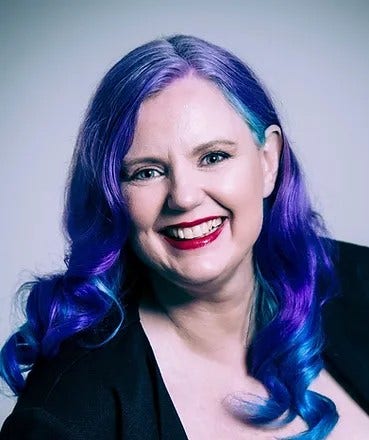
Allison Haynes
Educational and Development Psychologist
Allison is an Autistic/ADHD Psychologist. She owned Left of Centre Therapies, a Neurodiverse Affirmative therapy service, for the four years it was trading. These days she is concentrating on building her sole trader business in training, supervision and advocacy for ND clients and ND clinicians. Allison’s experience includes working for an Autism specific education service, as the onsite psychologist, private practice, as a contractor, sole trader and business owner.
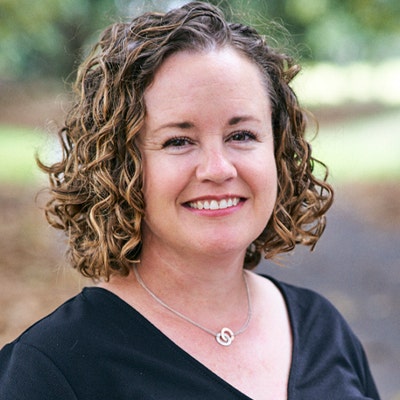
Aoife McCann
Executive Director, Trellis Australia
Aoife is an Executive Director of Trellis Australia and is an Advanced and Specialist Behaviour Support Practitioner. She has over 20 years’ experience working with people with disabilities. She is passionate about the human rights element of behaviour support and considers herself and Autisitc ally. Aoife delivered one of the first courses for Behaviour Support Practitioners with the University of Melbourne and has been coordinating the course content for PBS: Autism Affirming Practice.
More from this series
The Positive Behaviour Support suite
The Positive Behaviour Support suite has been designed to foster a stronger learning system and culture for NDIS-registered behaviour support practitioners . These micro-credentials empower practitioners with flexible and requirements-based training and development, as well as expanding education and training to include working with people with autism and in contexts of forensic disability.
Explore more from the Positive Behaviour Support suite:
- PBS: Models and Legislation (Micro-credential)
- PBS: Assessment and Planning (Micro-credential)
- PBS: Specialist Forensic Disability Practice (Micro-credential)
Course details
PBS: Autism Affirming Practice is ideal for behaviour support practitioners who intend to register, or are registered, with the National Disability Insurance Scheme (NDIS) as sole practitioners or who will be engaged by a service provider registered with the NDIS.
To enrol in this course you should have been assessed as suitable as a behaviour support practitioner (Core Practitioner or above) by the NDIS Commission or be intending to undertake assessment for suitability.
A strong understanding of the PBS framework is required and you should either be currently working with a person who is neurodivergent or Neurodiverse/Autistic or intending to work with a person who is neurodivergent/Neurodiverse or have experience working with neurodiversity/Neurodiverse people.
Learning is equivalent to Level 8 of the Australian Qualifications Framework (AQF).
Please note, this course is for group bookings only.
PBS: Autism Affirming Practice is aligned with the Positive Behaviour Support Capability Framework, which aims to embed a stronger learning system and culture for NDIS workers.
This encourages positive behaviour support practitioners who are registered or intend to register with the NDIS to undertake flexible and requirements-based training and development that enables rapid professional development.
By the end of this course, you'll have essential skills to support a person who is neurodiveristy-affirming and displaying behaviours of concern.
You'll be able to:
- Synthesise a range of informational sources, including from the autistic person, to consolidate a neurodiversity affirming case formulation about the person that takes into consideration their personal preferences, risk, protective factors and needs most relevant to maximising the person’s quality of life
- Create a Behaviour Support Plan that is neurodiversity affirming and demonstrates an understanding of contemporary models explaining the dynamic interrelations among environmental and personal factors.
This course runs over 8 weeks.
Your total time commitment is approximately 42 hours, which includes:
- 10 hours guided learning
- 12 hours self study
- 20 hours for assessment activities.
Assessment
- Case formulation: Formulate a case for an autistic person who is neurodiveristy-affirming (40%)
- Report: Write neurodiversity-affirming preventative/environmental strategies for a Comprehensive Behaviour Support Plan (60%).
PBS: Autism Affirming Practice can be taken as a stand-alone micro-credential or complemented with any other course in the Positive Behaviour Support suite to deepen your knowledge and skills.
This suite includes:
- PBS: Models and Legislation
- PBS: Assessment and Planning
- PBS: Specialist Forensic Disability Practice
- PBS: Autism Affirming Practice
- Authorised Program Officer Professional Development
It is recommended learners complete the first two courses in this series before enrolling in either PBS: Specialist Forensic Disability Practice or PBS: Autism Affirming Practice.
Delivered fully online, this course provides a convenient way to develop your skillset from a location that suits you.
You'll complete self-paced learning activities and participate in regular real-time seminar-style discussion groups that are led by behaviour support practitioners.
In addition, you'll have an opportunity to engage in interactive workplace activities that bring key concepts to life and will equip you with the skills needed to deliver specialist positive behaviour support to people with disabilities.