Recognising and Managing Disinformation
Learn to use OSINT sources and techniques to help your organisation detect and counter disinformation.

$1,490 AUD (inc GST)


What you will learn
From military conflicts and public health emergencies to democratic elections, climate change, and the threats posed by disinformation, misinformation, and malign influence (DDMI), we face many pressing global challenges.
This micro-credential is ideal for intelligence analysts, cybersecurity specialists and other professionals seeking a deeper understanding of how disinformation impacts organisations, as well as the best practice skills needed to recognise, assess, and build resilience to mis and disinformation.
Analyse contemporary global disinformation case studies
Drawing on key case examples such as the Russian Internet Research Agency, COVID-19, climate change, the invasion of Ukraine and disinformation campaigns in the Indo-Pacific, you'll understand disinformation and malign influence as a historical and global phenomenon and examine how they're used by state and non-state actors alike.
Discover and apply best practices to assess, counter, and build resilience to disinformation
Explore the online tools, open-source resources and techniques that can help investigate, assess, and counter disinformation. You'll gain practical skills needed to build resilience to disinformation and malign influence and explore the emerging international best practices for countering disinformation.
Develop a strategy for your organisation to counter disinformation
Putting your new knowledge into practice, you'll identify and assess an area of disinformation that impacts your own organisation or professional context and make recommendations to counter and build resilience to this disinformation.
The Hunt Lab offers a range of short courses for groups and individuals that cover the essential technical training and theory top-quality analysts need. Learn more.
Please view the video below to learn more about this course.
Who you will learn from
Learn from skilled academics and professional experts who will share invaluable knowledge you can use in your job.

Dr Morgan Saletta
Senior Research Associate, Hunt Laboratory for Intelligence Research
Morgan's current research focuses on assessing and countering online disinformation campaigns as well as collaborative intelligence analysis.
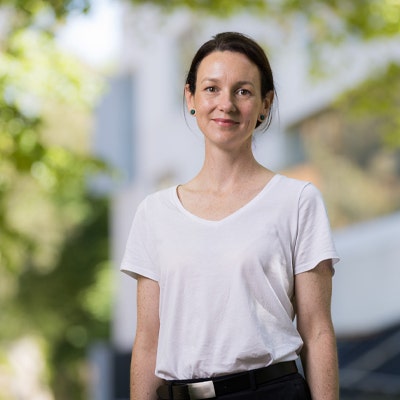
Ika Trijsburg
Research Fellow in City Diplomacy
Ika Trijsburg is a Research Fellow in City Diplomacy at the Melbourne Centre for Cities, where she delivers capacity-building training to support city representatives to engage internationally. Ika is also a Visiting Fellow at German Marshall Fund of the United States. She leads the Disinformation in the City collaborative research project to understand the ways that disinformation impacts cities and how they can best respond.
Fees
For individuals
To take Recognising and Managing Disinformation as a stand-alone micro-credential, you'll pay the normal course price.
$1,490 AUD (inc GST)
Please contact Student Support to discuss discounts and payment options for University of Melbourne staff or alumni, or to pay by invoice.
For teams
For large groups, we can also deliver and contextualise this course exclusively for your organisation.
Dates
Dates not right for you?
Register to receive updates
Course details
Want to know more about micro-credentials? See our Frequently Asked Questions
This micro-credential is particularly valuable for early to mid-career intelligence officers and analysts, but learning is beneficial for any analyst or professional seeking the skills to meet the growing expectation that professionals understand how misinformation and disinformation can impact an organisation.
To enrol in this course, you are expected to have a bachelors degree or an equivalent level of professional work experience in a relevant field, such as intelligence analysis or strategic communications.
This highly practical course has been developed in close consultation with industry, to ensure your learning matches contemporary industry need.
Throughout the course, you'll hear from practising industry professionals and receive guidance from experts in the field.
You'll work on projects that simulate real-world situations and gain core open-source analysis skills that can be applied immediately within your current role or organisation.
By the end of this course, you'll have a deeper understanding of current best practices in recognising, assessing and countering disinformation online. You'll be able to:
- Assess disinformation and its impact using best open-source intelligence analysis practices
- Use awareness of strategies and techniques used to persuade audiences to counter disinformation in the new information technology ecosystem.
This course runs for four weeks, including two weeks of guided learning and two weeks to complete assessment tasks.
Your total time commitment is approximately 42 hours, which includes:
- 7.5 hours guided learning
- 14.5 self-directed learning
- 20 hours for assessment tasks.
Assessment:
- Report or presentation (80%) plus an annotated bibliography (20%) that analyses, assesses and counters disinformation in an area relevant to your own professional context.
This course includes guided and self-directed learning, providing both flexibility and support.
Learning is project-based to ensure you gain practical skills that can be applied directly to your own professional role. You'll use relevant industry case studies, expert videos and readings to better understand the impacts of disinformation and how it can be identified and managed.
You'll also contribute to online discussion boards alongside industry peers, and receive indispensable guidance and feedback from our expert course facilitators as you learn.